Angela's Ashes: Memoir about growing up dirt poor in Limerick with no food, a father who's always off drinking away all the money, sickness, fleas, begging, common latrines... the books feels sometimes feels like one trial and tribulation after another. But the writing is so pretty, and storytelling is so funny, it's not a hard read. The author Frank McCourt really captures the language and colloquialisms of the day, lots of the dialog feels like poetry. I couldn't help but read this and feel lucky about my own life, and that my own problems aren't so bad. The father is the most interesting character in the story. He's consumed with being a patriotic Irishman, always telling his sons about Irish history, the crimes of the British, etc. But he's the one harming his family by getting fired, having too much pride to do menial tasks to provide for the family, and spending every bit of family money on drinking. At the same time he's a very loving parent.
The Zone of Interest: This book is about relationships between Germans living in a town that runs a concentration camp. The point is about the banality of life while participating in great evil. In some ways the movie reimagining of the boook actually makes the point better - unlike the book it doesn't get quite as lost in the lives of the characters, and in the book the main character manages to be likeable and redeem himself by the end. So the moral point gets a little hazy and lost. But the actual writing of the book is pretty stunning. It's all from the perspective of the characters, and the writing is realistic and believable while also pulling you along with relationships and drama, filled with nuance and character insights.
James: This book's a reimagining of Huckleberry Finn from the perspective of James. the beginning of this book I was worried it would be preachy. One of the conceits of the book is that all of the black characters speak to each other in classicalEnglish that they hide from the white slavers - I sometimes felt like the author was using this device to give characters takes on the time period that were a little too cute and modern and it took me out of the story a bit. Anyway, once I got into the story I really loved it. The book is serves as a corrective to the original by fully humanizing James and giving him a voice and perspective. And a big part of that perspective is that the fun adventure of the original would, for a slave on the run, be a world of terror and impossibly bleak choices, constantly, constantly surrounded and threatened by violence and bondage. But at the same time the relationship between James and Huck develops into something extremely beautiful and unique, and the story and adventure are gripping even while you never lose sight of the underlying point.
Indigo by Satyajit Ray: This is a book of short stories by the Bengali legend (and my great uncle in law). This reads a lot like Roald Dahl. Lots of supernatural stuff, and characters with an itch they have to scratch that gets them in trouble, or people acting kind of senseless to each other and only sometimes getting a comeuppance. It's never saccharine, very funny, each story comes to a point and then ends. Some books I love that make you never want to write, because they make you realize you could never match the level of writing. This book is kind of the opposite, I loved it because it made me want to write, because each story is just about putting a clever or interesting or wacky idea down on paper. I haven't seen enough Ray movies, but the ones I have seen are heavy - it was a nice surprise that this book was really light and fun instead. And then the cherry on top is you get a lens into 1970s India and West Bengal.
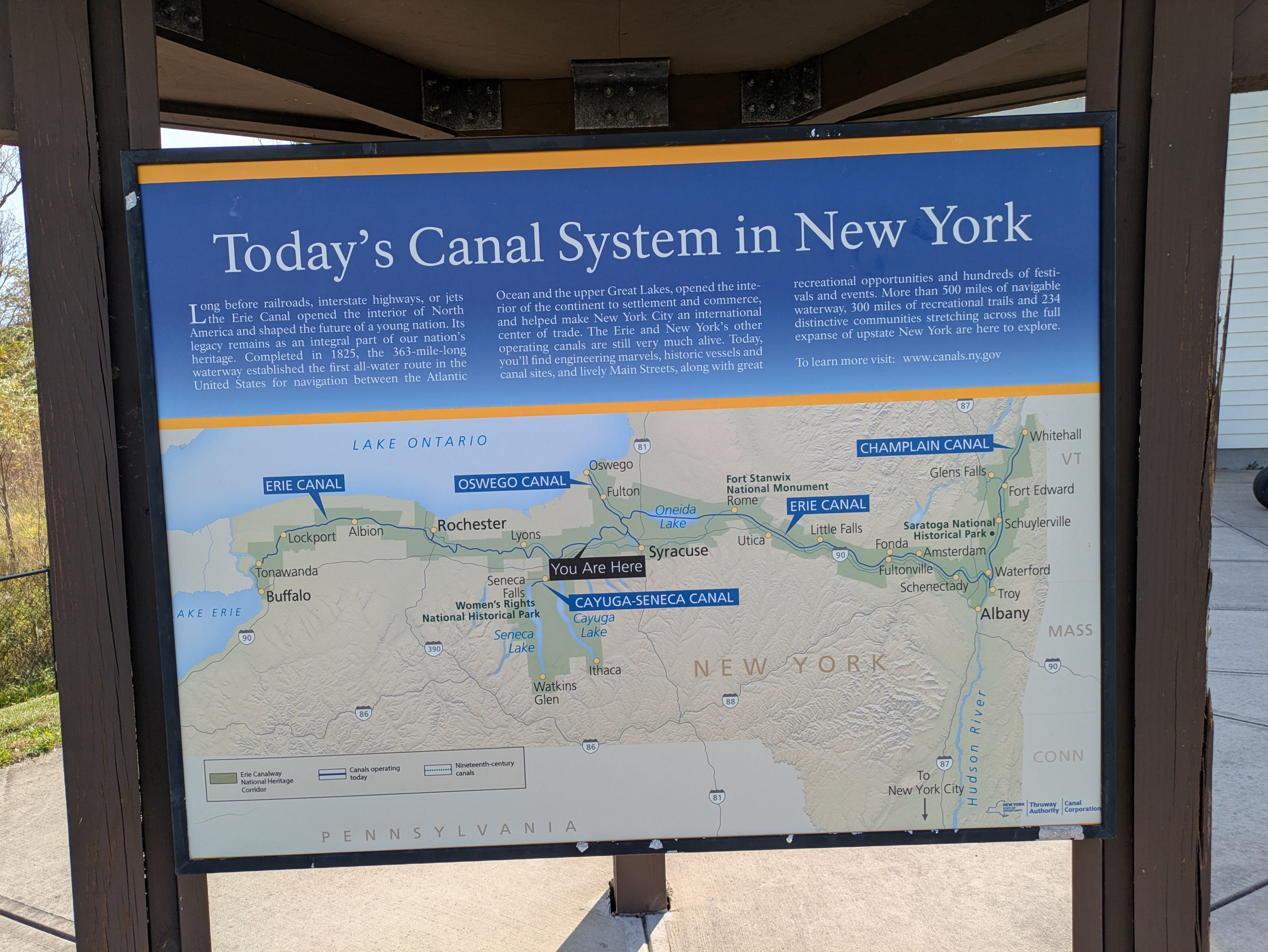
Wedding of the Waters: Last year on a drive with my parents in upstate NY we stopped at the Old Erie Canal Heritage Park at Port Byron. (Took me lots of googling just now to find it.) This place is right off the highway, and the main site to see is an old stone locks - totally dry, you walk through it. And there's not a drop of water in sight. This place took hold of my imagination big time. The canal was responsible for making NYC the most important city on earth and now there's just abandoned old stone parts of it off the highway in the middle of nowhere?? So this experience got me googling and reading wikipedia pages, but it wasn't enough so I took this book out of the library. My expectations for the book itself weren't that high - sometimes when you track down books on a random interest you just take what you can get. But this book is great. The story drives ahead, just the right amount of detail from concept to construction, to life on the canal, plus great characters and politic. It's also by an economist, and has some great gory details about things like how the canal was financed, and how other similar ideas failed because they couldn't figure that out. I think most history books I read make me feel fat and happy here in the 21st century, but this one made me want to go back in time for a ride up and down the canal, through the locks, stopping at the little drunken canal towns.
Breakfast of Champions: I expected to love this, since I loved Slaughterhouse 5 when I read it years ago. But I didn't. I thought the plot, characters, and writing were all a bit half-assed. The politics reminded me of a smug Jon Stewart rant. I didn't think the self-aware meta turn later on in the book was clever, it just took me out even further. And now I feel kind of guilty for not liking a Vonnegut book. :(
Master and Margarita: The plot summary is that satan, in the form of 3 strange men and a cat, shows up in 1920s soviet Moscow and starts wreaking havoc; interspersed with random super realistic scenes of Pontius Pilate and an off-kilter version of Jesus; and there's a love story (between the master and margarita) that shows up about halfway through the book. The whole thing is so wacky and unexpected I couldn't help but like it. The representation of the satan retinue is fully in the mode of trickster, and those scenes are really funny. There's a lot of build up to a magic show that the character puts on and it doesn't disappoint.
Cousins / Aurora Venturini: Book about a super-fucked up family in Argentina. The family is poor, violent, mean, the world is cruel to them and vice versa. But this is a black comedy, it's funny in the Coen brothers kind of way where you can tell the author has little sympathy for her own characters and is just pointing the camera at them to watch and sometimes laugh. In this case narrator is a mentally ill young girl whose off-kilter perspective on the world make her a talented artist. In the hands of a different author this book could have been pitying and sentimental and it's much better for leaving that all behind. Also a pretty great thing is that this very punk rock book was written by a woman in her 90s.
How the World Really Works: This book is what you get when scientist, probably on the spectrum, writes a book breaking down the world's systems of energy, food, and climate. It's sometimes unintenionally funny because the writer is so intent on putting everything in terms of numbers. The fairly convincing point is that there is a huge amount of inertia behind the modern world, ther are no shortcuts to solving climate change or cleaning up agriculture, but there are some realistic ways to start nudging things in the right direction - reducing waste/increasing efficiency are big ones. It also asks us to be a bit more appreciative of industrial miracles that make modern life possible, like the Haber Bosch process.